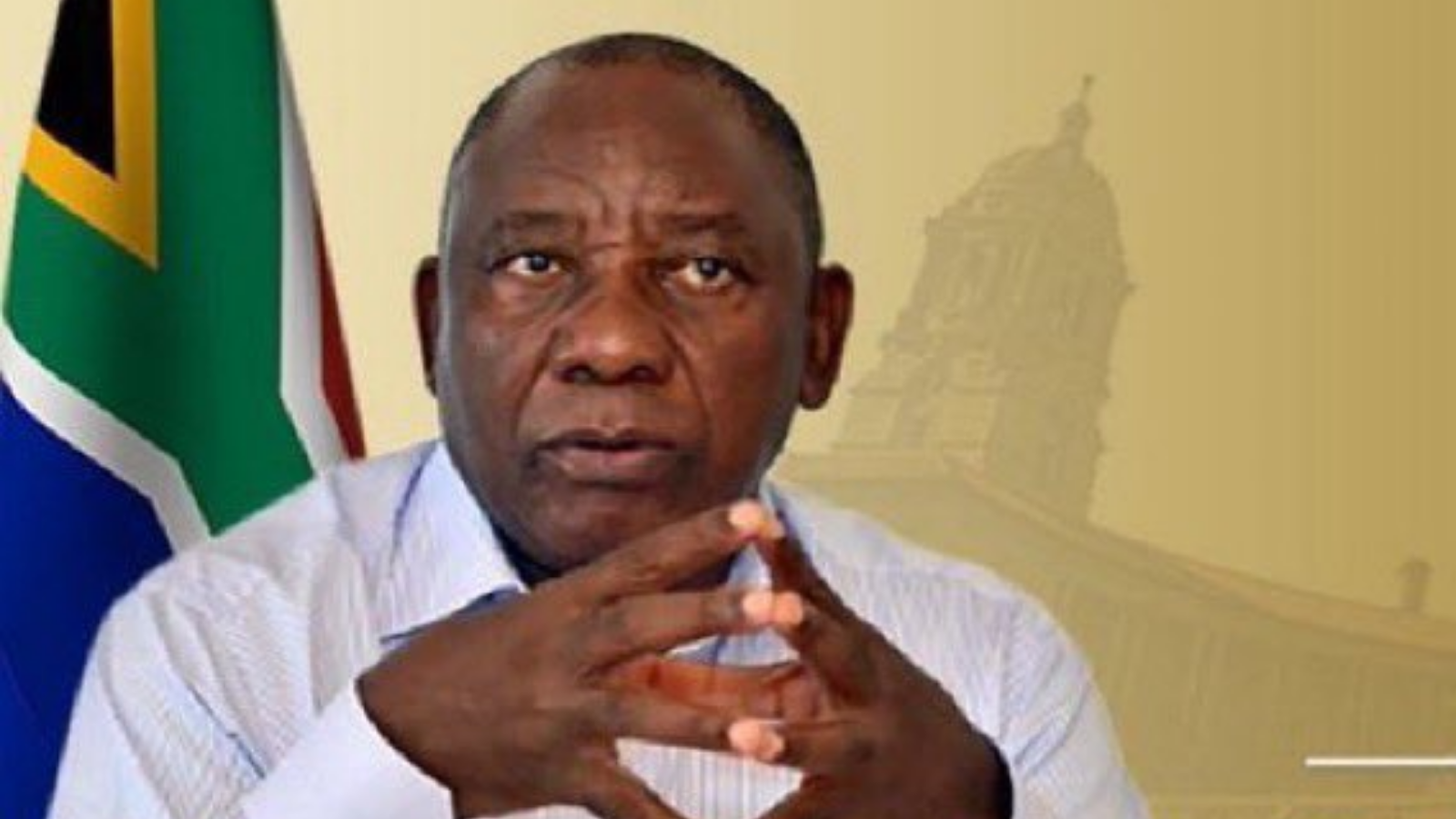
South African President Cyril Ramaphosa has cautioned that South Africa could lose its trade advantages under the African Growth and Opportunity Act (AGOA).
Losing AGOA status could put employment and family incomes at greater risk, adding to the economic difficulties already facing millions of people across the country.
AGOA provides eligible African countries with preferential access to the American market, allowing qualifying products to enter duty-free.
The loss of these benefits could make South African exports more expensive for American buyers, undermining the competitiveness of local businesses and putting thousands of jobs at risk.
The country’s jobs crisis remains severe.
According to Statistics South Africa, 33.6% of the labor force was unemployed during the second quarter of 2026, equivalent to roughly 8.5 million people looking for work but unable to find it.
Immigration has added to domestic concerns, with South Africans questioning whether the country can meet the needs of its own citizens while failing to manage illegal immigration and the resulting pressure on public services.
The deteriorating relationship with Washington reflects disagreements over South Africa’s so-called land reform and Black economic empowerment policies, its legal action against Israel at the International Court of Justice, and its relationships with Iran, Russia and China.
For ordinary South Africans, losing AGOA could mean more than a diplomatic setback.
Export-related job losses would place additional pressure on families already struggling with unemployment, rising living costs and limited economic opportunities.
Workers in agriculture, automotive manufacturing and other export industries could face retrenchments, while small businesses and suppliers dependent on American customers could lose income or close.
Fewer jobs would also mean less money circulating in local communities, reduced household spending and potentially greater demand for government assistance.
For young people already struggling to enter the workforce, fewer employment opportunities could deepen economic exclusion.
With millions already unemployed and public resources under pressure, South Africa cannot afford to overlook the economic consequences of losing preferential access to the American market.
Although Ramaphosa is pursuing alternative trading partners, including China and India, replacing established U.S. export markets will take time.
Protecting jobs, attracting investment and expanding opportunities for South African citizens will require sustained economic engagement with Washington.
For a country facing profound employment and social challenges, preserving AGOA benefits and stabilizing relations with the United States are matters of direct consequence to the livelihoods of its people.
For more metro, national, and international news stories, visit newyorkvoicenews.com.
Add as preferred source on Google