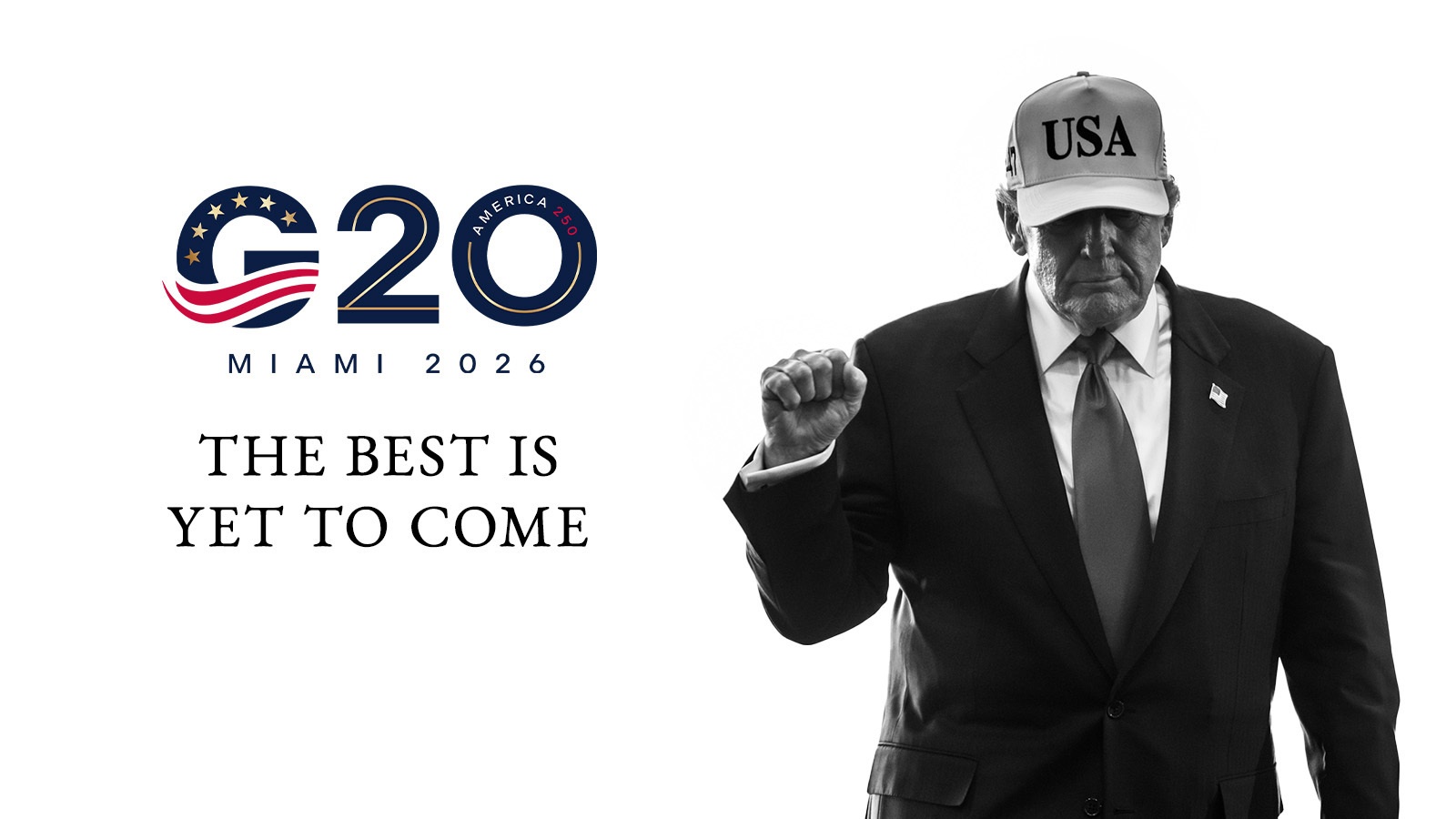
The United States will not invite South Africa to participate in the 2026 G20 Summit in Miami or in the series of preparatory meetings leading up to the event. Secretary of State Marco Rubio highlighted concerns over South Africa’s handling of its G20 presidency and its domestic and foreign policies.
Rubio noted that South Africa’s leadership “ignored U.S. objections to consensus communiques and statements” and allowed what he described as a “divisive agenda” to dominate the forum. He emphasized that while the U.S. supports the South African people, it cannot endorse the actions of a government it views as failing to take responsibility for economic and political challenges. “There is a place for good faith disagreement, but not dishonesty or sabotage,” Rubio stated.
In the absence of South Africa, the United States confirmed that Poland would join the G20 in its place. The administration described Poland as a symbol of economic transformation and partnership, citing its progress since emerging from behind the Iron Curtain as evidence of the benefits of alignment with the United States. Officials framed the U.S.-hosted summit as a celebration of innovation, entrepreneurship, and technological leadership in conjunction with America’s 250th anniversary.
South Africa has responded sharply to the exclusion. Minister of International Relations and Cooperation Ronald Lamola wrote, “We do not seek your approval for our path. Our path is our own, chosen by our people and guided by our sovereign laws. But we do seek, and we will always extend, a hand of respectful partnership.” He also emphasized that the South African G20 was “a people’s G20,” and asserted that U.S. claims of domestic discrimination against White Afrikaners “could not be further from the truth.”
President Cyril Ramaphosa reinforced this position, emphasizing that South Africa had yet to receive formal written notification of its exclusion and highlighting its successful G20. He stated that the country simply wants “to be treated as an equal, sovereign country” and added that it will always treat other nations with respect and due consideration.
The dispute marks a rare and significant diplomatic rift within the G20, highlighting divergent approaches to global leadership, economic policy, and multilateral engagement ahead of next year’s summit.