The United States will wind down its health assistance to Zimbabwe after negotiations over a proposed $367 million funding agreement collapsed, officials from both countries confirmed this week.
Trump Urges Lawmakers to ‘Put Americans First’ in Longest State of the Union
The five-year package would have supported HIV/AIDS treatment and prevention, tuberculosis and malaria programs, maternal and child health services, and disease outbreak preparedness. The U.S. Embassy in Harare described the proposal as the largest potential health investment by any international partner in Zimbabwe and noted that more than 1.2 million Zimbabweans currently receive HIV treatment through U.S.-supported initiatives.
Follow us on X. Follow us on Instagram. Follow us on Facebook.
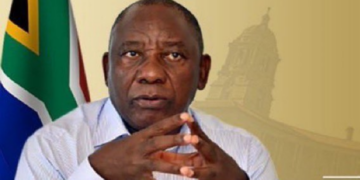
Zimbabwean authorities rejected the offer over provisions requiring the sharing of sensitive health data, including virus samples and epidemiological information. Government Spokesperson Nick Mangwana explained that President Emmerson Mnangagwa directed negotiators to terminate talks because the agreement did not guarantee reciprocal access to any vaccines, diagnostics or treatments developed from the shared data. Mangwana asserted that Zimbabwe would have been expected to provide biological resources “without any assurance that the end products would be accessible to our people should a future health crisis emerge.”
Mamdani’s $19/Hour Snow Shoveler Jobs Face Backlash for ID Requirements, While He Opposes Voter ID
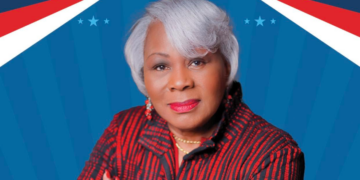
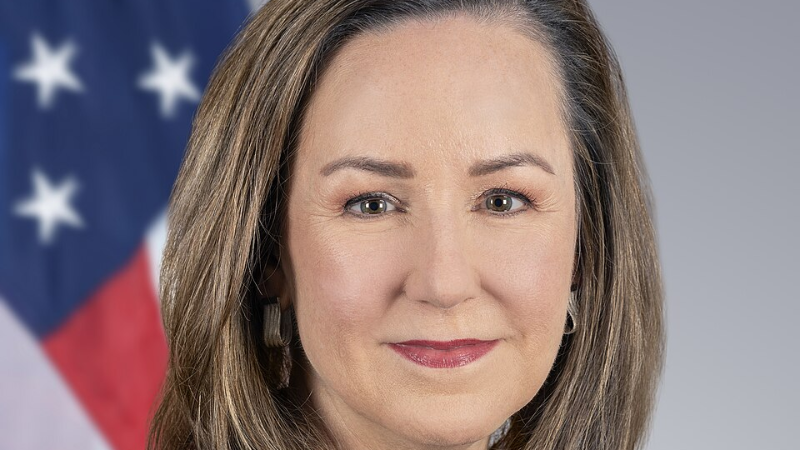
U.S. Ambassador Pamela Tremont announced that Washington would begin “the difficult and regrettable task of winding down our health assistance in Zimbabwe,” noting that Zimbabwe intends to maintain its HIV programs on its own.
The United States has provided nearly $2 billion in health assistance to Zimbabwe since 2006 and credits its support with helping the country reach United Nations HIV treatment targets. The negotiations took place amid a broader shift in U.S. global health policy under President Donald Trump, whose administration has reduced foreign aid and moved toward bilateral agreements following the closure of the United States Agency for International Development.
For more metro, national, and international news stories, visit newyorkvoicenews.com.