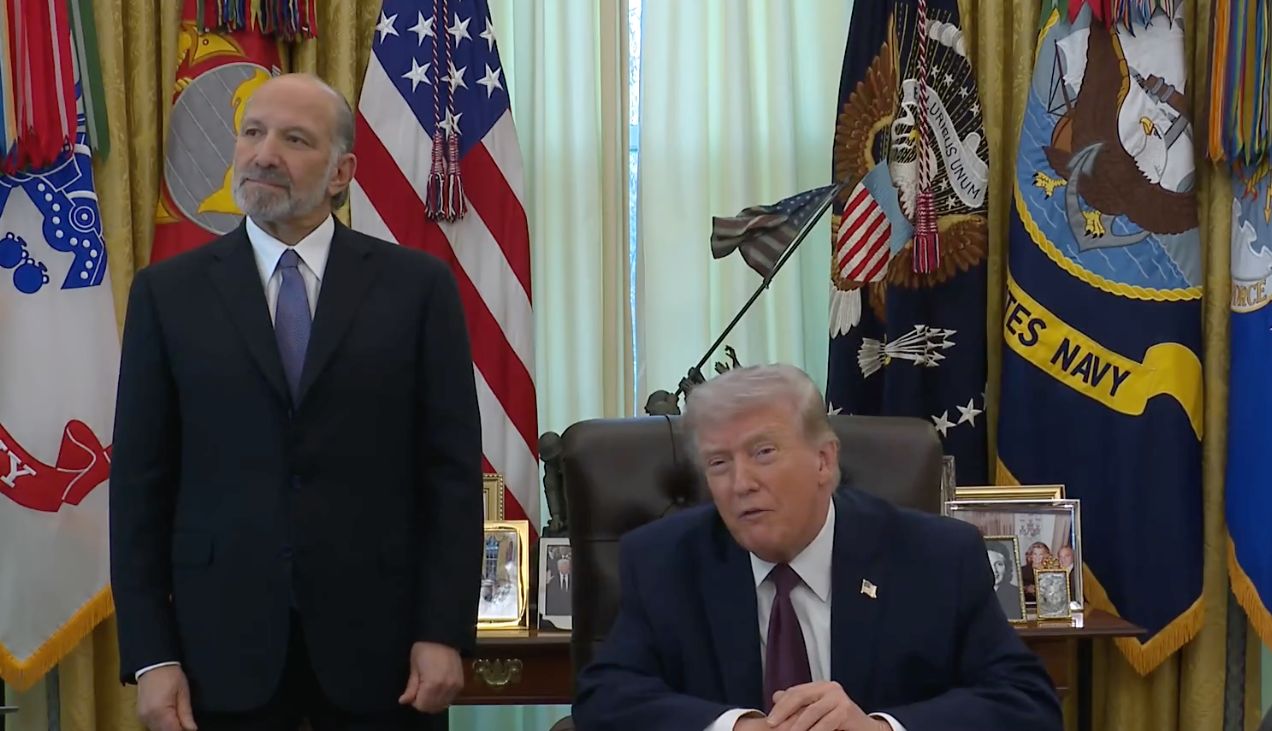
President Donald Trump on Tuesday signed a sweeping executive order aimed at tightening controls on mail-in voting and expanding federal oversight of voter eligibility, a move that has drawn immediate legal and political challenges.
Follow us on X. Follow us on Instagram. Follow us on Facebook.
The order directs the Department of Homeland Security, working with the Social Security Administration, to compile lists of U.S. citizens eligible to vote and share them with state election officials. It also instructs the U.S. Postal Service to only deliver absentee or mail-in ballots to individuals included on state-provided voter lists that meet new federal requirements, including the use of trackable barcoded envelopes.
Trump framed the directive as necessary to protect election integrity. “It’s about voter integrity, we want to have honest voting in our country because if you don’t have honest voting, you can’t have really a nation,” he stated during the signing at the White House.
Retired NYPD Officer Faces Bribery Charges in Investigation of City Migrant Shelter Contracts
Under the order, states must comply with new procedures or risk losing federal funding, according to administration officials. The directive also prioritizes federal investigations into election-related offenses, particularly involving ballots sent to ineligible individuals.
Election experts and state officials quickly raised constitutional concerns, noting that the administration is attempting to impose federal control over processes traditionally managed by states. Tammy Patrick of the National Association of Election Officials stated that the order shifts authority over absentee voting “out of the hands of state and local officials, and into the hands of the federal government.”
Russian Oil Tanker Delivers Fuel to Cuba Amid Energy Crisis
Legal challenges are widely expected. Critics, including state attorneys general and election administrators, argue the Constitution grants primary authority over elections to states and Congress, not the president. Previous attempts by Trump to unilaterally alter election procedures have been blocked by federal courts, and analysts anticipate a similar outcome for the new directive.
For more metro, national, and international news stories, visit newyorkvoicenews.com.