The New York Times has filed a federal lawsuit against the Department of War, alleging that the Pentagon’s updated Pentagon Facility Alternative Credential (PFAC) in-brief form and new policies restricts how journalists gather information within the building. The complaint, submitted in U.S. District Court in Washington, contends that the form allegedly violates the First and Fifth Amendment rights of reporters and represents an unprecedented attempt to control coverage of the military.
The new policies allegedly require journalists to sign a document limiting unescorted access to offices, restricting conversations with sources, prohibiting the pursuit of unauthorized information, and regulating the use of off-the-record material inside and outside Pentagon grounds. Many veteran reporters refused to sign the terms and turned in their credentials, including six Times journalists. The newspaper argues that the restrictions are designed to deter independent scrutiny and shut out outlets that routinely investigate the department’s actions.
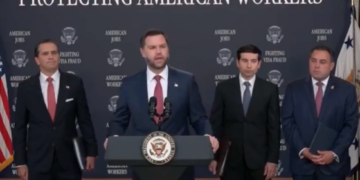
Pentagon officials have stated that the rules are intended to prevent leaks that could compromise national security. Chief spokesman Sean Parnell acknowledged the Times lawsuit and indicated the department would respond through the courts. Defense Secretary Pete Hegseth, who has implemented several changes to press access since taking office, described the new rules as “common sense,” emphasizing that reporters must have a badge and an escort to move outside the press areas.
The Times’ filing highlights what it calls inconsistent enforcement, pointing to a list of newly credentialed independent media figures and influencers whom the paper describes as openly supportive of President Donald Trump. The group includes Laura Loomer, James O’Keefe, Matt Gaetz, Libby Emmons, Tim Pool, and Raheem Kassam. Several of them have posted on social media that they were granted access after agreeing to follow the new rules, which legacy outlets declined.
This week the Pentagon conducted in-person briefings and orientation sessions for the newly credentialed group, requiring all press to review responsibilities for protecting classified and sensitive information.