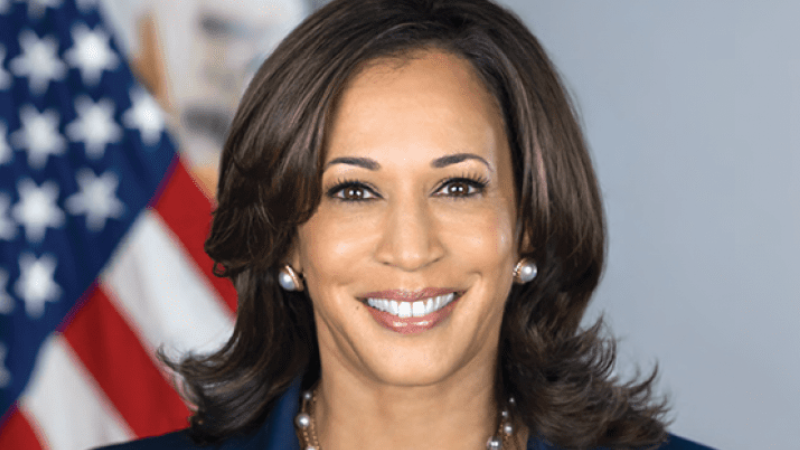
On Thursday, August 28th, President Donald Trump issued a memorandum directing the Department of Homeland Security to terminate the Secret Service protection extended to former Vice President Kamala Harris—a privilege that had been granted beyond the standard post-service period by outgoing President Joe Biden. The directive stipulates that, effective September 1, 2025, any security provisions not mandated by law for Harris must cease immediately.
Under federal law, former vice presidents receive six months of Secret Service protection upon leaving office. Harris’s detail was due to end on July 21, 2025, but Biden signed a directive extending her protection to eighteen months before departing—an extension Trump has now rescinded.
The decision arises as Harris prepares for a high-profile book tour promoting her upcoming memoir, 107 Days, scheduled for release on September 23. The sudden removal of federal protection—notably around-the-clock agents, threat monitoring, and protection of her Los Angeles residence—raises concerns regarding her safety during heightened public exposure.
The political reactions were swift. Harris’s adviser expressed gratitude for the Secret Service’s professionalism. Meanwhile, California Governor Gavin Newsom and Los Angeles Mayor Karen Bass condemned the move, portraying it as politically motivated and dangerous. Bass called it “another act of revenge… this puts the former Vice President in danger,” noting plans to pursue alternative security arrangements at the state and local level.
Trump’s action continues a broader pattern: earlier in his term, he also withdrew Secret Service protection from former officials and others, including Biden’s adult children, John Bolton, Mike Pompeo, and Alejandro Mayorkas.
As September 1st approaches, Harris’s team and California leaders are actively evaluating private or local security options—a shift that may prove costly and complex amid rising political tensions.