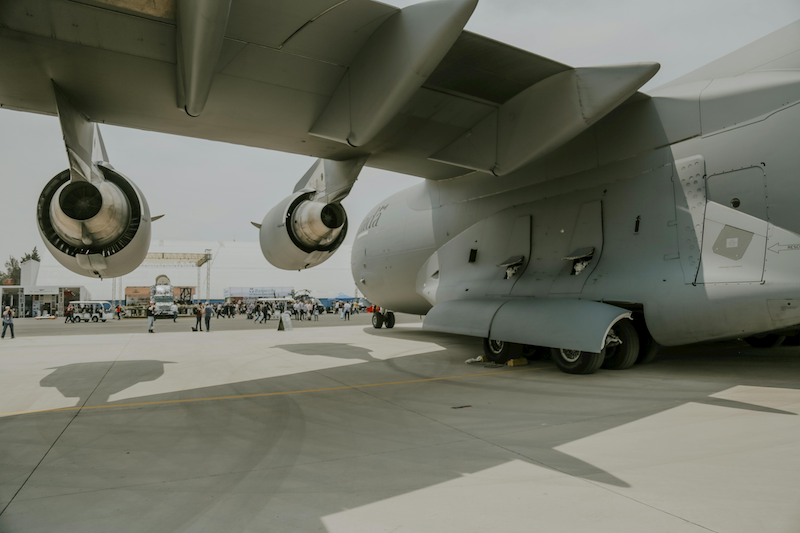
On Monday, August 4th, the Canadian Armed Forces executed their first airdrop of humanitarian assistance into the Gaza Strip. Using a CC‑130J Hercules aircraft, Canada delivered approximately 21,600 pounds (nearly 9,800 kg) of emergency supplies, including lentils, milk powder, oil, and pasta. This effort was coordinated with Global Affairs Canada, building on a recent $30 million humanitarian funding package announced on July 29 for Gaza and the West Bank.
Canada joined a coalition of nations—including Jordan, the UAE, Egypt, Germany, and Belgium—that have undertaken similar air drops over Gaza amid a protracted blockade and restricted ground access. Ottawa sharply criticized Israeli restrictions on aid entry, calling them “a violation of international humanitarian law” and demanding that land crossings be opened and customs clearances expedited.
However, humanitarian experts argue that air drops are dangerous and ineffective compared to truck convoys. Past operations have resulted in aid pallets injuring or killing civilians and airdrops landing in the sea or on tents in displacement camps. Critics contend that the minimal supplies delivered by air do not meet Gaza’s dire needs and may serve as a public relations tactic rather than a real solution.
The crisis in Gaza has escalated into what the UN Secretary‑General described as a “humanitarian catastrophe of epic proportions.” According to Gaza’s Health Ministry, over 60,000 Palestinians have died since October 2023, and extreme hunger is widespread. Aid agencies warn that only a dramatic scale‑up of ground deliveries, combined with political pressure for a ceasefire and humanitarian access, will address the worsening famine.
Canada’s airdrop marks a significant political gesture, but aid groups and analysts caution that it is insufficient without broader and sustained international action.