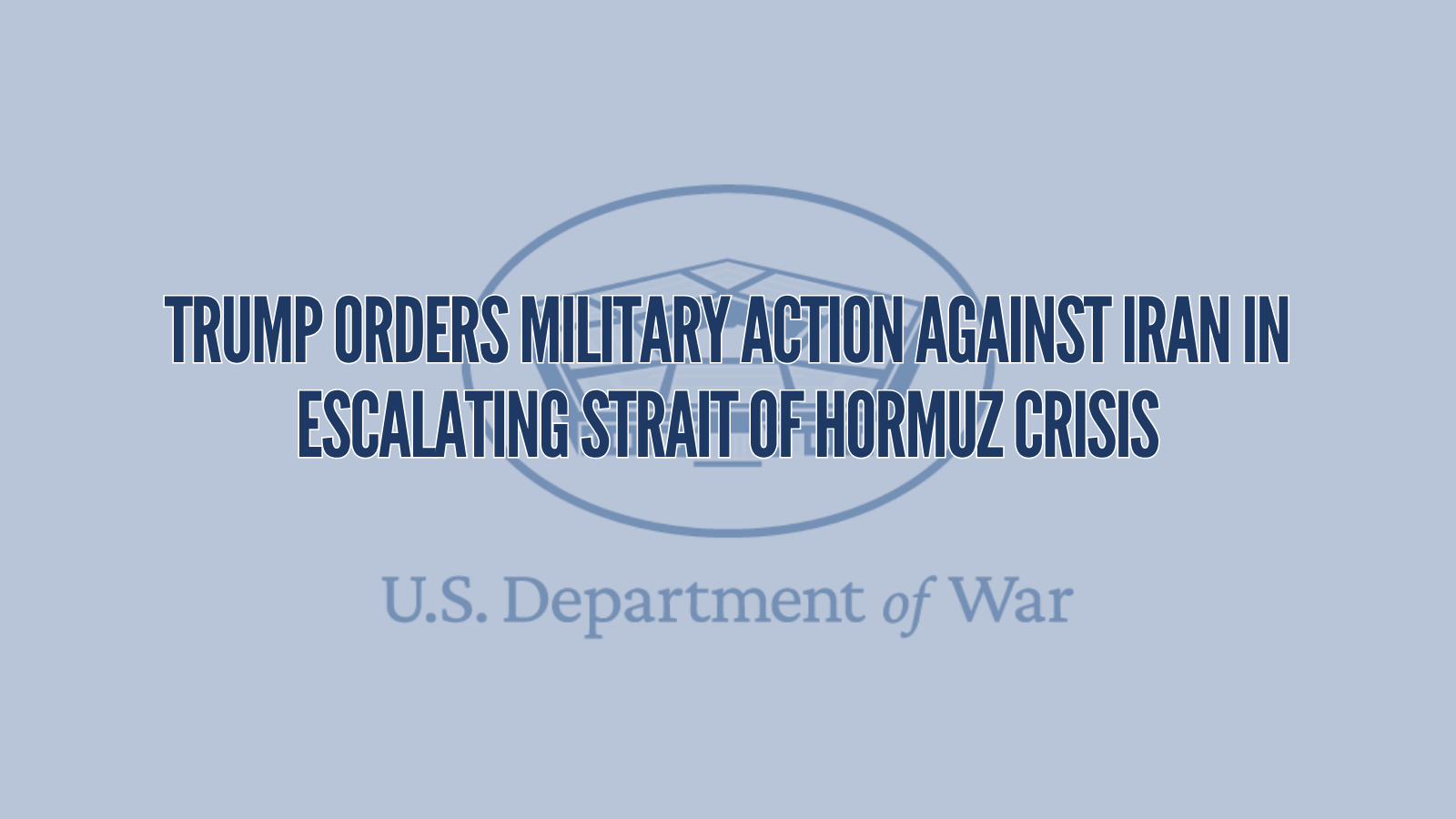
Tensions between the United States and Iran escalated sharply as maritime activity in the Strait of Hormuz ground to a near halt following recent attacks and military threats.
President Donald Trump ordered the U.S. Navy to “shoot and kill any boat” laying mines in the vital shipping corridor, signaling a more aggressive stance as concerns grow over the security of one of the world’s most critical oil routes. He also indicated that U.S. forces are expanding efforts to clear mines already in the waterway, warning there would be “no hesitation” in enforcing the directive.
NYC Council Member Chi Ossé Arrested at Brooklyn Eviction Protest
Shipping traffic through the strait has slowed dramatically, with tracking data showing only minimal vessel movement after Iran attacked and seized multiple commercial ships. The disruption has effectively stalled a passage that carries roughly one-fifth of global oil supply, raising alarm across international markets.
Iran defended its actions, with Abbas Araghchi asserting that the “aggressors” bear responsibility for the consequences of the conflict. He emphasized that Tehran’s measures are consistent with international law and are intended to protect national security amid ongoing threats from the United States and its allies.
Grand Jury Indicts Southern Poverty Law Center on Fraud and Money Laundering Charges
In a further sign of escalation, Iranian officials confirmed that the country has begun collecting toll revenue from vessels transiting the strait. The move suggests an effort to assert both economic and strategic control over the waterway as negotiations remain uncertain.
Meanwhile, the U.S. military continues enforcement operations, boarding another vessel suspected of transporting Iranian oil in violation of sanctions. The action underscores Washington’s broader campaign to disrupt Tehran’s oil trade.
Follow us on X. Follow us on Instagram. Follow us on Facebook.
The standoff has intensified global economic concerns, with energy prices rising and fears mounting over prolonged supply disruptions. With no clear timeline for de-escalation, the situation in the Strait of Hormuz remains a focal point of geopolitical and economic instability.
For more metro, national, and international news stories, visit newyorkvoicenews.com.